
Couchsurfing: Stay, Meet, Host
Couchsurfing Inc.Travel & Local
2.93.36K Reviews
- Version
- 7.2.11
- Installs
- 5.00M
- Age Rating
- Teen
Screenshots

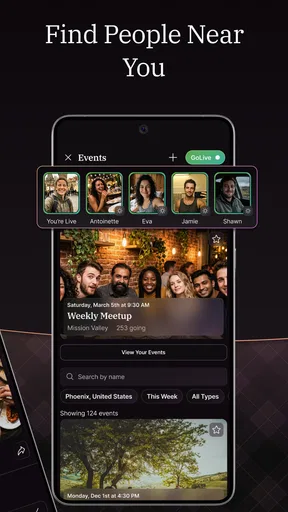



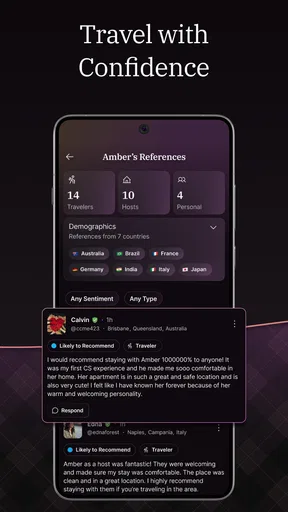


Our Review of Couchsurfing: Stay, Meet, Host
 Analysis by Appyee
I see Couchsurfing Travel App as a way to make a trip more social, not simply as another place to search for a bed. The central idea is direct: travelers can connect with local hosts, learn about the people behind a destination, and sometimes arrange a place to stay. That changes the shape of planning. Instead of treating a city as a list of sights and bookings, I can use the app to start a conversation with someone who lives there.
What the local connection changes
That community angle is what makes the app distinct from a standard travel-planning tool. A hotel search is designed to help me compare accommodation; a map helps me find places; a travel forum can offer advice from people who have already visited. Couchsurfing brings those social possibilities closer together by putting traveler and local profiles at the center. Its promise is not that every exchange will become a friendship, but that a trip can include conversations and perspectives I would be less likely to find through a booking site alone.
That difference matters most when I have room in my itinerary for people, not just landmarks. If I want a predictable room with set check-in arrangements, a conventional hotel or rental service is usually the more practical choice. If I am curious about meeting residents and can be flexible about how a visit unfolds, a community-based app has a different kind of value. I would approach it with that distinction in mind rather than treating it as a like-for-like replacement for every accommodation service.
How I would use it before a trip
Before sending a request, I would read a potential host’s profile carefully and look for practical compatibility, not just a shared hobby. I would check the hosting preferences, the interests listed, and the reviews from other travelers, then write a message that explains my dates and what kind of visit I have in mind. A thoughtful request gives both people a better chance to decide whether the arrangement suits them. Sending the same vague note to many profiles may be faster, but it gives a host little reason to understand who is asking.
I would also treat a profile as a starting point for a conversation rather than a guarantee. Reviews and verification can help me assess trust, but I would still clarify expectations directly: whether a stay is possible, what timing works, and how much time the host expects to spend together. That small step can prevent mismatched assumptions. A traveler seeking a quiet place to sleep and a host hoping to explore together may both be perfectly reasonable, but they need to know that before making plans.
Connecting with Locals
One of the standout features of the Couchsurfing Travel App is the way it allows you to connect with locals. Whether you're planning a trip to Paris or a quick getaway to Tokyo, the app lets you browse through profiles of potential hosts who are offering a place to stay. It's like having a local friend in every city, ready to share insider tips and make your visit more authentic.
The app's interface is super intuitive. You can easily navigate through profiles, read reviews from other travelers, and send out requests to your potential hosts. Plus, each profile is packed with information about the host, from their interests to their hosting preferences, so you can find someone who fits your vibe.
Safety First
Safety is always a top concern when it comes to staying with strangers, and the developers have clearly put a lot of thought into this. The app includes a verification process, where users can verify their profiles using their social media accounts or official IDs. There's also a robust review system, so you can read about other travelers' experiences with a particular host before making a decision.
Moreover, the app includes a secure messaging system that allows you to communicate with potential hosts without giving away personal contact information. It's a solid way to get to know someone before committing to a stay, which definitely put my mind at ease.
What a realistic trip might look like
Imagine I am traveling alone and arrive in a city with an open evening before my planned sightseeing begins. I could use the app to look for a suitable host well ahead of time, or check whether a local gathering or informal meetup fits my schedule. If I find a possible connection, I would keep the first plan simple: exchange a few messages, confirm the details, and meet in a public place if we are arranging a casual hangout. I would keep my own transport and backup accommodation options in mind rather than assuming a conversation will turn into a confirmed stay.
That example points to a useful way to approach Couchsurfing: let the social side add options to a trip, but do not make essential logistics depend on an unconfirmed plan. For a short visit with a fixed arrival time, a booked room may be the sensible anchor. The app can still help me meet people or hear local recommendations, while a guaranteed booking handles the part of the trip where uncertainty would be costly.
Events and Hangouts
But wait, there's more! The Couchsurfing Travel App isn't just about finding a place to crash. It's also a social platform for travelers. The "Hangouts" feature is perfect for those times when you want to meet up with fellow travelers or locals for a coffee, a meal, or a day out exploring the city. It’s a fantastic way to make new friends on the road.
Additionally, the app frequently hosts local events, which are a great way to dive into the local culture. From language exchange meetups to city tours, there's always something happening, no matter where you are.
When a social plan is better than a booking search
Hangouts and events make the app useful even for someone who has already arranged a bed. I would think of them as a way to fill a social gap in a solo itinerary, rather than as a dependable substitute for a scheduled tour. A traveler arriving with a free afternoon might find a casual coffee or shared outing more appealing than another hour spent scrolling through recommendations. The trade-off is that social plans depend on other people’s availability, so they are best treated as flexible opportunities, not fixed itinerary items.
Compared with a general travel community or a local tour marketplace, Couchsurfing’s emphasis is more personal: it connects people through host profiles, informal meetups, and local events. That can lead to a more individual experience, but it also asks me to take a more active role in communicating and judging fit. Someone who prefers a packaged activity with a clear schedule and a professional guide may be happier with a dedicated tour service. Someone who enjoys conversation and can adapt plans may get more from this approach.
Making Travel Affordable
Traveling can be expensive, and accommodation often takes a big chunk out of your budget. The Couchsurfing Travel App offers an affordable alternative by connecting you with hosts offering free places to stay. It’s a game-changer for budget travelers or anyone looking to extend their trips without breaking the bank.
While the app itself is free to download and use, there's an option for Couchsurfing Verification, which comes with a small fee. This feature adds an extra layer of trustworthiness to your profile, which can be particularly appealing to some hosts.
Budget savings require flexibility
I would not build a travel budget around the assumption that a host will be available for every night. The potential savings are meaningful when a stay works out, but the arrangement involves another person’s schedule and preferences. I would plan the trip so that I can switch to paid accommodation if needed, especially when traveling at a busy time or arriving late. That backup is not a reason to avoid the app; it is simply a practical way to keep a low-cost plan from becoming a stressful one.
For someone comparing it with a hostel, the choice is not only about price. A hostel generally offers a more predictable, traveler-focused environment, while staying with a local may bring more direct cultural exchange and a different set of expectations. Neither is automatically better. If I need certainty, privacy, or a consistent arrival process, I would favor a conventional booking. If I am comfortable coordinating with a host and value personal connection, Couchsurfing may be the more interesting option.
Who is likely to enjoy it
I think the app suits independent travelers who are comfortable introducing themselves, asking clear questions, and accepting that not every request will lead somewhere. It can be especially appealing to people who travel alone and want company, visitors who enjoy hearing how locals experience their city, and budget-conscious travelers who can keep their plans adaptable. The community side can also appeal to residents who like meeting visitors, so the value is not limited to people looking for a place to sleep.
I would hesitate to recommend it as a main accommodation plan to someone who needs guaranteed lodging, has a tightly timed schedule, or finds staying with unfamiliar people uncomfortable. Families or groups who need specific room arrangements may find ordinary accommodation searches easier to manage. And if the main goal is simply to book a room quickly with minimal conversation, a hotel or rental platform is a better match. Choosing the right tool depends on whether the social exchange is part of the trip or an extra obligation.
Safety First
Safety is always a top concern when it comes to staying with strangers, and the developers have clearly put a lot of thought into this. The app includes a verification process, where users can verify their profiles using their social media accounts or official IDs. There's also a robust review system, so you can read about other travelers' experiences with a particular host before making a decision.
Moreover, the app includes a secure messaging system that allows you to communicate with potential hosts without giving away personal contact information. It's a solid way to get to know someone before committing to a stay, which definitely put my mind at ease.
Keeping the decision grounded
For me, safety tools are most useful when I use them as part of a decision, not as a substitute for one. I would read reviews for detail and consistency, ask questions that matter to my stay, and trust my discomfort if a conversation feels unclear. I would also share my general plans with someone I trust and keep an independent way to leave or change accommodation. Those are sensible habits for any arrangement with someone I have not met, even when a profile has reassuring signals.
One practical tip is to separate the decision to meet from the decision to stay. A short public hangout can be a low-pressure way to see whether conversation feels comfortable, while a host request involves more substantial coordination. Keeping those choices distinct gives me room to enjoy the community features without feeling that every friendly exchange needs to become a lodging arrangement.
What to expect from the app itself
Couchsurfing is a free travel and local app from Couchsurfing Inc., but it also offers in-app purchases priced from around three dollars to thirty dollars per item. I would check the current purchase details in the app before deciding whether anything is worth paying for, and I would not assume that paying resolves the personal fit or availability questions involved in finding a host. The service is for teens and older users, so younger travelers should take that age guidance seriously and involve a responsible adult in travel decisions where appropriate.
The app has been around since 2012 and has a broad user base, with more than five million installs. Its average rating is 3.2 from roughly 117,000 ratings, alongside about 3,200 written reviews. I read that mixed reception as a reason to set realistic expectations: a community service can feel valuable when its people and timing line up, but the experience is less uniform than booking a standard room. Version 6.0.1 is the current version, and the app supports devices running Android 7.0 or later.
Final Thoughts
All in all, the Couchsurfing Travel App is a fantastic tool for anyone looking to enrich their travel experiences. It’s not just about finding a place to sleep; it's about forming connections and sharing cultures. Whether you're a solo traveler or exploring with a group, this app opens up a world of possibilities that hotels simply can't offer.
With its focus on community, safety, and affordability, the Couchsurfing Travel App has definitely earned a spot on my home screen. So, if you're ready to add a little more adventure—and friendship—to your travels, give it a try. Who knows? Your next best friend might just be a request away!
Verdict
Strengths of Couchsurfing: Stay, Meet, Host
- Connects travelers with locals easily.
- Free accommodation options available.
- Diverse global community engagement.
- User-friendly interface and navigation.
- Great for cultural exchange experiences.
Limitations of Couchsurfing: Stay, Meet, Host
- Requires a stable internet connection.
- Safety relies heavily on user reviews.
- Limited offline features available.
- Not all locations have active hosts.
- May face language barriers occasionally.
Similar Picks in This Category
View All
Google Maps
Google LLC3.4

Google Maps Go
Google LLC4.1

Booking.com: Hotels & Travel
Booking.com Hotels & Vacation Rentals4.8

Google Earth
Google LLC3.8

Skyscanner Flights Hotels Cars
Skyscanner Ltd4.8

trivago: Compare hotel prices
trivago N.V.4.4
Frequently Asked Questions
What is Couchsurfing and how does it work?
Couchsurfing is a travel app that connects travelers with hosts willing to offer free accommodation. Users can create a profile, search for hosts in their destination city, and send requests to stay. The app also facilitates cultural exchanges, allowing users to meet locals and explore new places authentically.
Is Couchsurfing safe to use for travelers?
Couchsurfing prioritizes safety with features like profile verification, user reviews, and a robust rating system. Travelers should read host reviews carefully and communicate clearly before confirming stays. The app also offers a safety guide with tips for ensuring a secure and pleasant experience.
Are there any costs associated with using Couchsurfing?
While creating a profile and connecting with hosts is free, Couchsurfing offers a premium membership for a fee. This includes features like an ad-free experience and the ability to see who’s viewed your profile. Hosts typically do not charge for accommodation, as the focus is on cultural exchange.
How do I become a host on Couchsurfing?
To become a host, you'll need to set up a detailed profile, including information about yourself, your home, and what you can offer to guests. Potential hosts should be clear about house rules, availability, and expectations. Engaging with the community through events and forums can also help build a positive reputation.
What should I include in my Couchsurfing profile?
A strong Couchsurfing profile should include a clear, friendly photo, a detailed bio, and your travel interests. It's important to highlight your hosting preferences, languages spoken, and any relevant experiences. Being open and honest in your profile helps in finding compatible hosts or guests.
